Case IH's Miniature Marketing Strategy: Cultivating Future Farmers and a Sustainable Future?
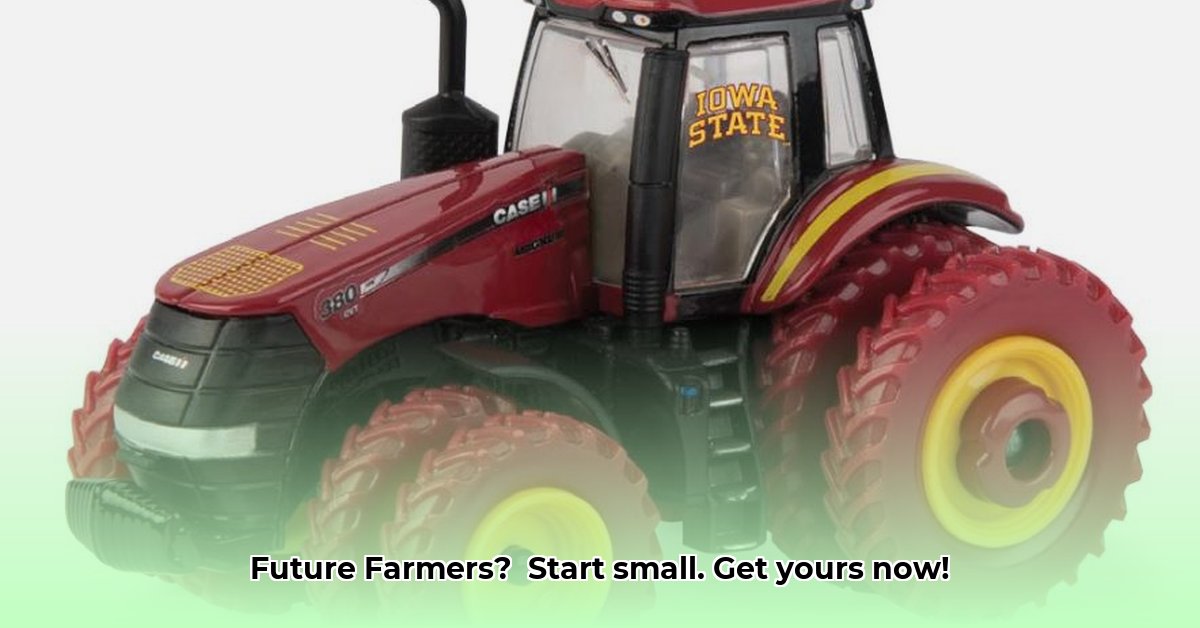
Case IH's toy tractors aren't just charming replicas; they're a shrewd marketing strategy with potential long-term implications for sustainable agriculture. But do these miniature marvels truly contribute to a greener future? This article explores the multifaceted impact of Case IH's merchandise, examining its brand-building potential and its role in shaping future farming practices. For more on miniature tractors, check out this site: Miniature Tractor Toys.
Planting the Seeds of Brand Loyalty: A Long-Term Investment
Case IH's approach is strategic: introducing children to their brand through attractive toy tractors cultivates early brand loyalty. This strategy is a long-term investment, aiming to shape future purchasing decisions amongst a generation of aspiring farmers. The brightly colored, meticulously detailed replicas serve as potent symbols, potentially influencing career choices decades down the line. "It's like brand farming," says Dr. Anya Sharma, Agricultural Marketing Professor at Cornell University, "cultivating potential customers from a young age."
However, the success of this strategy depends on several external factors. Socioeconomic backgrounds, for example, significantly influence a child's access and exposure to such toys. Further research is needed to explore the correlation between early brand exposure and career choice in agriculture.
Beyond Cute: The Sustainability Imperative
While these miniature tractors are undeniably cute, their sustainability is a complex issue. Case IH prominently features the sustainability initiatives embedded in its larger agricultural machinery, highlighting features like fuel efficiency and emissions reduction. However, the environmental impact of producing the toys themselves remains unclear. Questions about manufacturing processes, materials sourcing, and fair labor practices need to be addressed. "Until Case IH provides transparent data on its toy production's environmental footprint," remarks Mr. David Miller, CEO of GreenTech Solutions, "it's difficult to assess the true sustainability of this aspect of their marketing." While some argue the symbolic value outweighs the environmental cost, others demand full transparency across all facets of production.
Isn't it interesting that a company known for its powerful machinery also has such a focus on these small tractors? What impact could this marketing have on the generation of farmers to come?
A Roadmap to Greener Case IH Toys: Three Key Steps
Case IH can significantly enhance its sustainability profile by taking the following concrete steps:
- Transparency: Publicly disclose the materials and manufacturing processes used in toy production. This transparency builds consumer trust and demonstrates a commitment to responsible practices.
- Eco-Friendly Materials: Transition to recycled plastics and other sustainable materials, reducing the environmental impact of production. This will set a clear example for the industry.
- Ethical Sourcing: Ensure fair labor practices across the entire supply chain, guaranteeing ethical sourcing. Consumers are increasingly demanding accountability from brands.
The Bigger Picture: Shaping the Future of Sustainable Farming
The impact of Case IH's toy tractor strategy reaches beyond mere brand loyalty. It represents a subtle yet powerful influence on the future of agriculture. By fostering early interest in farming, Case IH indirectly promotes the next generation’s engagement with sustainable agricultural practices. But this vision requires Case IH to actively support sustainable agriculture throughout its operations, extending beyond the symbolic value of their toys.
Case IH's Sustainability Scorecard: A Look Ahead
| Factor | Current Status | Potential for Improvement |
|---|---|---|
| Toy Production Sustainability | Limited transparency, unclear environmental impact | High |
| Brand Messaging | Strong brand presence; Could integrate stronger sustainability messaging | Moderate |
| Educational Outreach | Currently minimal; significant untapped potential | High |
| Supply Chain Transparency | Needs substantial improvement | High |
The future success of this strategy hinges on Case IH's comprehensive commitment to sustainability, not just in marketing, but throughout its entire operation. The Case IH toy tractor represents a small but significant piece of a much larger puzzle: the future of farming. The choices Case IH makes now will determine whether this strategy succeeds in fostering a genuinely sustainable agricultural future.